Текст песни
Hey guys, this is Gerard. This is Frank. This is Ray. This is Mikey. And we're My Chemical Romance, and We're here to talk about our new album, The Black Parade. "The End" was, was basically the song where I Think we, when we butted that up against "Dead," I think we realized we were making a really Theatrical record, um, that was also gonna be very Big. We wanted something, I think, we wanted "The End" to feel a little bit like the beginning Of The Wall. There's a song called In the Flesh, question mark, um, because it reprises later In the record. But, um, we wanted to feel Very much like that kind of beginning, like that You were about to get taken on a journey, And I, I think that's why that, Um, That song, um, is, is so big, and it Tells a story right away. I think it just Kind of pulls you in to this story, So. Yeah, that's, um, like you said, that song Definitely set the tone of the rec-you know, Of the entire record. We had written it, um, In New York at, uh, SIR Studios and, You know, as soon as all the drums and All the guitars kicked in really loud from that First acoustic guitar that starts, like we knew that We were onto something that Here's my resignation. I'll serve it in drag. You've got front-row seats to the penitence ball. When I grow up, I want to be just Like I say yeah. Yeah. I say yeah. Yeah. Can stand Up and say. "Dead!" Was written Probably right around that time too. Yeah, It, it's one of the older songs that Were written, and it's the first one that kind Of It started out as this kind of scathing Social commentary, and then ended up being, Um, The song that very much fitted the story. I mean, you'll als-you'll also notice on "Dead!" There's, there's, it's got a little bit of a, A '90s Britpop feel to it, which is kind Of intentional. It was inspired by, Also by, um-"Mr. Blue Sky" "Mr. Blue Sky" by Electric Light Orchestra, but there's Definitely some moments of Blur in there and Pulp A little bit. It's, it's definitely got kind of A Britpop vibe, Which, you know, is something that I've wanted in Some form to appear in the music, Um, at one point in our career. So it's cool to have that in there. And, you know, it, it fits really great after "The End" 'cause it's, it launches you right into The story. It, definitely has that, that Britpop, Like, bouncy feel. Yeah, the bounce, the meter of The song. I think then, uh, going out of The chorus and into the, the B section, uh, There was definitely a section we wrote and it Was, uh, like, almost like a, a walking Bass line kinda thing-Mm-hmm when it was originally Written, and then we kinda talked about what we Could put in there to, to make it, you Know, just go into a different world at that Point 'cause Gerard starts singing in, in different Character voices and, and things like that. And I think early on I was the one Who was like, "I really want tuba." Yeah. And I, I wasn't sure why. I think it Frank had heard horns, and I Think it's 'cause it, the section almost reminded us Of, uh, Sgt. Pepper's. Yeah. And, uh, we wanted to take it there Very right a-you know, v-right away on The record we wanted take it into this kind Of Sgt. Pepper's realm because, you know, There was, there was really three major influences For the record and, and aside from our lives And, and using metaphors to describe them, It was Sgt. Pepper's, uh, Pink Floyd's The Wall, And Queen's Night at the Opera. Those are the three main records that inspired this Album directly. And, um, so it was good to have a Nice little injection of Sgt. Pepper's right away. Um, yeah, I, I pictured this kind of hospital in "Dead!" And I pictured this doctor talking to this patient In this doctor voice, and I, that, I think, Think that comes across in that. And so there's all these, like, ironic horns and These slams on the piano that are happening when They're talking about a problem with this guy's Heart, and, uh, so. What I love most about "Dead!" Is that huge ending, 'cause it's, Like, a tribute to all the bands that we All love, like The Beatles, Oasis, Blur. Like, it's just this great, it kinda, Like, refrains the song, and it's, Like, I don't know, just an amazing part of The album. It's a really celebratory ending. You know, it's kind of this la la singalong. And, uh, the melody just all, I guess, kinda Struck us when, uh, Gerard came up with it. Yeah, it was Yeah, I mean, it was great When we, uh, when we first played it in The studio, like, that was one of the most Fun sections because it was, like, really kinda like The first time where me, Gerard, and, uh, Frank Actually sang together, and it just sounded so huge, All, all of us-singing the la's together and, Yeah it was just really fun. It was just, like, this huge gang vocal to Finish off the song, and it's just a great Way to finish it. One, two. We can go for- La la la. La. La la la la la. Well, come on. La la. Well, "Sharpest," uh, I think was, Uh, it started out as a, vocal melody that Gerard was kicking around for a little while. And, um, normally we can, you know, From knowing G, like, we all know when there's Something that he's real psyched about and they, Really wants to get on real quick, 'cause like, You know, someone'll have a guitar at that moment And, like, it'll turn into a song. But it was one of those, those melodies that Was like, "Ah, let's work on it little bit," And then we kinda just went on to s- Other things. And then, uh, the more we got Into recording, Uh, we were actually tracking at that, that point, Uh, G and, and Toro went in the other Room, and I think he kinda just, Something about that melody keep coming back, and he Was like, "Oh, let's just try this." And-Yeah, It was one of those things that, that melody Was like, it was almost kinda this one where I think me and, me and Ray had test Driven it a little bit at the Paramore, but I don't think everybody was that psyched on it. And then I was, like, saying to myself, "You Know what? I just don't think it's finished yet." And I still believed in the verse, but that's All that was really there. It didn't have a Powerful chorus or anything, so. But then, um, I just, something about it, it Was relentlessly in my head. So I remember one night, um, Ray had loaned Me his guitar, and I just sat down and It was one of the biggest moments of inspiration For me during the record. It was the one, It was one of those cases where I sat Down with a guitar and a bunch of sheets Of paper and literally tried to write this whole Song, rhyme start to finish, with bridges and Everything in it, and it was, it was pretty Crazy. The lyrics came immediately, And they were very inspired. And so I would just play it on an Acoustic guitar and sing it. And a-actually, that version to me has a Lot of charm to it, too. Like, it sounds Almost like a New Order song when you play It on acoustic guitar and just sing it. It, has a lot of charm to it. But so then the objective was then to take That song that was almost just acoustic and then Just throw everything on it, electronics, Everything, and then strip away the elements to the Point where it felt like it was a rock Band again. So it did start with a lot More electronics than real instruments. And it was a, it was like a really Intense tracking session, 'cause it lasted three Days, and Rob Cavallo got crazed about the song, And-we're all just working really feverishly for Three days and didn't stop once that song came About. Yeah. So. I just remember that night we were watching TV Or something. Yeah. And he points in the air, goes in the Other room with the guitar, and comes out with The chorus. And I was just like, oh. You're in time for the show. You're the one that I need. I'm the one that you loathe. You can watch me corrode. Like a beast in repose. 'Cause I love all the poison. Away with the boys in the band. Who have rarely been. On a bender and it shows. So why don't you blow me. We're kissing dentistry girls. Give me a shot to remember. And you can take all the pain away from Me. You're guessing I won't surrender. The shortest lives are the deadliest to me. Like firefly-We wrote for a while-Right uh, Even starting in New York. We wrote, uh, while on tour. Uh, I think we started in Warped Tour in The summer. We, uh, we put a, a little Mini makeshift studio in the back of our bus, And, uh, we wrote constantly trying to get into, You know, the mindset of writing before we actually Took some time to, to sit down a-and Do the record. Um, but I think the oldest Song on this record is actually the first single, Uh, Welcome to the Black Parade, because it went Through so many different, uh, forms before it even, It even got to that point. We actually s- Wrote, I guess, the, the idea for it, Um, before the first record ev-ever came out. And then, uh, it didn't get finished for the First record, and we kinda abandoned it. And then before we wrote, uh, Three Cheers, We brought it back trying to see if it Would work, and we just had so many other Things that we wanted to work on that it Didn't get finished. And then when this record Finally, we sat down to write this record, we're Like, "Oh, well remember that song?" And it started out really slow, and then we Sped it up, and then we recorded it, and We were happy with it. And then we listened To it and we were like, "Uh, this could Be better." So then... But that, the whole process I guess took three years for that song. This song is like a real true testament to The band, how it's grown. It's a very Prime example of the risks we took on the Record. Um, it, it encapsulates really the themes of The record, um, a lot of what we were Trying to say, which is to be very direct To our audience and any audience we might get, Is to say, know, um, Uh, the last record was about aggression and maybe Violence and dealing with things in an angst way, Whereas this record we wanted people to get over That and stop being upset, and, And w-know, really carry on through anything bad That happened. And, um, you know, It's also the point in the record where this Patient Meets up with this, um, Black Parade and it takes him on this journey. And, uh, so you know, as far as a Song, it was like the biggest, hardest song we'd Ever had to create together. Absolutely. It has 167 tracks. Which is a, yeah, it's like a r-I Think a, a world record. It's got a marching band. It's got multiple snare sections. It has, um, horns. Um, Uh, this section we refer to as the orphan Section, which is these, these kind of gang vocals That come in during the bridge, which we really Tried to shoot for it sounding like, um, Little Orphan Annie. It, it does kind of encompass what The whole record is about, this track. Yeah. For sure. So I think it's a really Good way to i-know, as a first single I guess, you know, to really give you a Little bit of a scope of, as to what, You know, the rest of the record will bring. So. Yeah, the, the weird part about this song Is that when we originally started writing it, The codename for it was The Five of Us Are Dying. Yeah. Which I hated. Which-It was, it was named-it was codenamed- Ray's really superstitious. Right. Yeah, yeah. Yeah, yeah, yeah. Really, yeah, I'm really superstiti-and I remember-Don't blame This was the last song that we, um, well, In its previous form, we had tracked it and We were getting on a plane to go to, I think, Europe. England, yeah. Yeah, we were going to England. Oh, I remember Like, I didn't wanna get on the plane. I was freaking out. That bad Because it just So happened that this song was the last one That we tracked, The Five of Us Are Dying, And then, "Oh, get on a plane and go Play a show. Sure, have fun." Right. And I, I was just, I, I, almost Didn't get on the plane. Carry And though we are silent now, Believe me. Your memory will carry on, Will carry on. And though we are broken and defeated. You're really winner marches. I did not make through your fears. Oh. Just how quiet that faces of your peers. Oh. So you love me. You cannot kill it. Do or die. You'll never make me. Because the world. Will never take my heart. Go and try. You'll never break me. We want it all. We wanna play this part. Won't explain or say I'm sorry. I'm unashamed. I'm gonna show my scars. Give a cheer for all the broken. Listen here, because it's who we are. I Don't Love You is the song that follows Black Parade, and, um, that's, I think, you know, was our first, First shot at, at, at really, you know, kind Of writing some-I guess something sort of like A ballad. Yeah. Definitely. More relaxed and, and, uh- I don't know. For me, uh, for some reason I, I keep thinking that it's something that Otis Redding might sing the out of. Yeah. That's why I try to, I try to Riff on it right before that second chorus just Like him. So, um, it's also another song that Was kind of written early on as well. And, Yeah, that was written on tour, too we, I think we, we sound checked it, uh, on The Green Day tour while they were all-I Think Green Day was playing wiffle ball. Yep, that's true. Yeah, that's right. s-sound Checked it, and it w-was, uh, pretty powerful Even back then. So, um, it's a song that's Just very direct, and we saw this song as The patient looking back, um, At his life in a moment where he made Some mistakes. So, um, that's really kind of what This one's about. Yeah. Um, mu-musically to the, like, Uh, instrumentation-wise it's very inspired by, Creedence Clearwater, uh, Who'll Stop the Rain. Um, we, you know, there's B3 organ in it, Which just kind of fills out the sound real Nice. But it's kind of interesting because this song Compared to Black Parade is, like, feels much Smaller. But I, I think that actually works on The record because Black Parade feels so big, And you kinda need, like, um Don't Love You Is, is kind of very easygoing and, and a Little breath-you know, has more room to breathe, And I think that's, it's kind of nice that Record. While you can. When you go, and would You even turn to say, "Hey, I don't love you Like I did yesterday"? Uh, House of Wolves was written in the Paramore House, uh, at a dark time in the writing Process. I think we were kinda all felt a Little spent, um, by just things that were going On, personal issues and, and just, you know, d- We really, uh, put a lot int-into writing A lot of those songs, you know, up until That point. And I think we were kinda just, Uh, at a point where it was like, "All Right, you know, we need some, some time to Breathe." And, um, I remember kinda just trying, Wanting to play at that point for some reason, And I picked up r-Cavallo's really big, Red, clunky acoustic I love that guitar. I love it. And, uh, I tried to write A song really hard, but, uh, for me when I say, "I'm, all right, I'm gonna sit down And write a song" is when nothing comes out. So I sat there and kinda just st-stared At the wall for about an hour, and then I just start playing stuff that I thought my Dad would like. And that kinda turned into the basis of House Of Wolves. Yeah. Um... I remember him playing this thing, and I Walked in, and it, it almost reminded me of A, Of a really early Smiths song, the way he Was strumming the verses were, uh... It was kind of when, when The Smiths would Try to do, um, these rockabilly songs. There's one in particular. The name escapes me, But I ma-you know, initially the, the chords Were extremely catchy. And so but naturally, Like, the vocal melody that went along with it Was very Morrissey-like. And, and then we kind of just kept building On it from there. And, uh, we ended up with all these really Great sections we'd always wanted to use in songs, Like this almost, like, pseudo Detroit Rock City Section. Yeah. And then this middle section, which Is just this ripping kind of-I don't even Know how you... rhythm and blues, like, With stops and, like, shouts, and it, It's just really crazy, so. It's like if Motorhead and the Stray Cats-Yeah. A hanging out in a club playing the jukebox. That song would come out. We're just knocking other's teeth out. Yeah. That's what the song would be. my favorite. Oh, yeah, yeah. The Looney Tunes thing. Yeah, yeah, yeah. It's totally... And it's weird too because-I remember when, Uh, when Gerard was writing the lyrics and, and, You know, just the music kind of lent itself To this, like, the song is kind of about Sin and, and hell. And when I, I remember when, when hearing it I pictured, like, fire and kinda brimstone. I also like the way the dr-the song Starts. It's kinda like a, a tom, You know, tom drum thing, something that you could Hear, like, in a jazz club. And I imagined Maybe the patient, like, walking into this, like, Club where there's just, like, fire and brimstone. And I, I remembered back to Looney Tunes cartoons. I can't remember the specific one-but there's this One where the character gets, like, Knocked out, and he descends into hell. And-I think actually dies. Yeah, yeah. Yeah. I can't remember exactly of the cartoon. It's the Wile E. Coyote character who dies. Right, he dies, and he goes into hell, And it's this jazz club where this jazz band Is playing, and it's, and it's wolves are playing The music. And it's like there's fire everywhere, And there's horns here and horns there. We should mention too real quick, um, That the, the record is the tightest concept record We've ever, we've ever done. Um, it's based off the very simple theory of When you die, um, I, I'd always like to Believe that death comes for you however you want Subconsciously. And, um, maybe it's, uh, some, Like a manifestation of a strong memory. So for this character, the patient who's dying Tragically young in his 30s in a hospital, Um, his strongest memory is of his father taking Him to see this parade in the big city When he was a little boy. So that's why Death comes for him in the form of this Black parade. So when it does finally get to Him, he kind of goes on this odyssey of Looking back at his life, looking at other people's Lives. And this is the one moment on the Record, House of Wolves, where I felt that he Was maybe getting very afraid that he was going To hell. Like, he wasn't sure where he was Going, but he'd pretty sure that he'd be going To hell, or maybe he walks into a seedy Bar in the afterlife, and, um, He's reminded of the wages of sin. That's what I kind of pictured for this song. And I swear. And I said ashes to ashes, We all fall down. I wanna hear you sing The praise. I said ashes to ashes, We all fall down. We got innocence for days. Well, I think I'm gonna burn in hell. Everybody burn the house right down. Say what I wanna say. Tell me I'm a major. Shake this to my grave. Tell me I'm a bad man. Kick me like stray. Cancer is arguably A collective favorite. I, Yeah, it's my favorite song-Yeah by far. I think this is my favorite song that I Actually have, I've ever heard. Not even just the songs that we've done. I mean, it's by far the favorite that we've Ever done, but I think it's probably my favorite Song of all time. I think it's, um, I Think it's the most em-emotionally impactful song We've ever written. I think we, We had gotten to a point as songwriters where This, it's so terrifyingly honest and in your face That it needs to be. And, but it, It, it garners an immediate response from people. People can't help but listen to the song. They can't help but shut up when it's playing, And that's part of the idea. Um, That cancer affects, you know, one in every three People, and it's something that's affected all of us And something we take very seriously. And, um, that's kind of why the title had To be so brutally honest. I think people May argue that the title's heavy-handed or that it's Trying to get a reaction out of people, and The only reaction it's trying to get out of People is to face the honesty of it. And I feel that the song's actually very empowering. It was, I don't know if it was difficult To write so much as difficult to perform a Little bit, but it was one of the... I mean, a lot of those takes are really Just the, one of the first three takes. Um, uh, it was Rob on piano. I was doing vocals live with him, and it Was one of the first three takes, and it Was... You know Rob always had the saying that Your, your initial takes are the ones you want Because that's your first most honest response. And, uh, we then laid the drums over Because I felt that in the second verse when Those drums come in, it, it gives you a Sense of hope, which the song really needed. It needed a sense of urgency, of hope, um, Empowerment that I think is in there. And, um, you know, so I, I think the Song was a, you know, very successful in that Regard. It, it, it's the most pure form of Song. Yeah, it's hard, it's hard t-for me To even really listen to it without getting Emotional. Um, it's just one of those songs that, That tugs on whatever that, that thing inside of You is. And, uh, you know, you're struck with The honesty and the beauty and, uh, the horrificness Of, of what he's saying. And then I think It, it's something that, you know, In a good way or a bad way, it Strikes home with, with everyone that hears it. Yeah, I think, like I said before, too, I Think people could argue about the song all they Want, but I, I think some of the greatest Songs ever written have been the ones that people Argue about or the ones that people say, "Well, They didn't have to go that far," and I Think we did have to go that far with This song. And I, I, I think that's why I'm so proud of everybody, um, In the band for having the courage to put This kind of song on the record. 'Cause the hardest part of this Is leaving you. Now turn away 'cause I'm awful just to see. 'Cause all my-I'll start off with Mama and Then we can all tell our own stories about Mama. Yeah, we all have stories about Mama. I was in a, we were in this arena In Chicago. I was very, um, almost defeated. We'd been touring a long time, and I was Backstage and I just got this phrase in my Head, you know, "Mama, we all go to hell." Then I just heard this kind of bouncy Doors-like Almost Alabama song riff in my head with it, And I was like, "This would be cool." So I, I asked Ray to come backstage and He, he'd played, um, this kind of boom beh, Mm beh, mm beh, and it was exactly how I described it and what I wanted, and then It started coming together. So I think immediately We brought it to soundcheck and we said, "Hey, Guys, we got something new. Let's check it out." And then, you know, And then everybody just immediately was like, "All right. We're onto something new." So when we finally got a chance to, to Look at Mama again, we, uh, were in New York and we dug her up kinda and we Said, "All right. Let's work on Mama." We knew was gonna be a, a procedure, you Know? So we played Mama and then we all Just let the song tell us what it wanted To be, and we worked on it accordingly. And, uh, but we knew once we had almost Completed that song that, um, a new creative bar Had been raised for ourselves, and that's when a Lot of songs started to get cut. That's when we threw out a lot of songs That were just these simple punk songs 'cause they Weren't gonna make it anymore, and we knew Mama Fit in very much with the story and this Theatricality that we wanted to capture and the Grandness. And, uh, it's a song that evolved. It was one of the longest songs next to Welcome to Black Parade to track 'cause so many Layers, so many instruments. It Glockenspiels. Yeah. Yeah. Everything had to be perfect. Liza Minnelli, Um, who's phenomenal, worked on the track with us And sang this one line that I really wanted, This voice that carried a lot of sorrow and Strength and, um, carried with it a tradition. And the song needed it 'cause the song was Kind of cabaret. The song was, um, Has this big chorale ending. It was almost Broadway, and it needed her, And it needed all the elements in the end. So I know everybody has a story about this Song. Yeah. Um, it's one of those songs where, You know, you, you hear, like the first couple Of bars of it... I remember when, when Ray And Gerard were kinda working on it, and it Was like one of those things where sometimes they'll Come up with something and it's like, all right, This is gonna be a hard one to, to Write to a-and, and write with and find An ending, you know? But this one just kinda just kept going, and It was like, I have all these ideas, all These melodies that I wanna... You know, I think Should poke their heads at this point and that Point, and maybe it should just go downhill here And then come back up with this different thing. And, uh, it was at like an, it was One of those songs that just stayed in your Head constantly and you'd stay up at night thinking About. And, uh, when we finally got the chance To work on it in New York, uh, it Really took off running I think. You know? It was one of those things where We were, we were like, "All right. Should we pull back the reins on it? Should we, should we let Mama be, you know, This entity and, and go off? What, what should we do?" And I think we made the right decision and Just let it grow into its own thing. Um, a-as far as stories go, I think This is the most-you know, theatrical, Uh, visual song that tells a story, Uh, that we've ever done. And, uh, Man, i-it's one, uh, it's one of my Favorites on the record. I, I just think, I'm Just so happy that, and proud that we didn't Pull back reins on it, you know? It's like one of those magical moments where you're Like, "Oh, it's all these crazy sections," but it Doesn't feel like we were-Mm-hmm trying to pull The rug out from people, so. Exactly. Yeah, that, that was one of the, the Concerns too, was like, all right, we get it. It doesn't confuse us, but anybody else that just Listens to it that doesn't, hasn't lived it yet, Are they gonna get confused? And, and-Right that's the cool thing is that Nobody has said that to me yet. Right, "Oh, this is really confusing." I, I think, you know, people who, Um, you know, people on first listen of that Song really do get taken for the ride with It, you know? And there's never... You just really, really lose yourself, you know? Like right off the bat, just from the, the Way the first lines of the word-the, the Lyrics are delivered, like you get taken into the Trenches, you know? And you're there with this guy Who's scared as hell to be where he is Right now, and you're there with him through the Whole story. Um, and then yeah, in that regard, I think It is one of, you know, one of the Most successful things that we've done because of That. Because I mean, you're there. You picture what's going on as he's telling the Story. It's, it's pretty, pretty great. We all go to hell. Mama, we all go to hell. I'm writing this letter and wishing you well. Mama, we all go to hell. Oh well now, Mama, we're all gonna die. Mama, we're all gonna die. Stop asking me questions, I'd hate to see you Cry. Mama, we're all gonna die. And when we go, don't blame us. We should mention that Sleep was inspired by a Song-Yeah, Toto Toto song off the Dune soundtrack, That it's actually, to me, one of the most Powerful pieces of music I ever heard. I think it's called Final Dream. It's about a minute and 10 seconds long. And it's one of the most emotionally moving pieces Of music ever. I'll never forget the, The night that you guys like were like, "Yo, We gotta write a song that like, you know, Has this feel to it." And I remember coming down one night, and I Was like, "You guys are just up all night Watching nerd movies." Yeah. That's exactly what came out of my mouth. And the next day it was like, bang, Nerd movie come to life. It just inspired a little bit of the music. Um, but the song was actually inspired by these Nightmares that I used to have at the Paramore, Which were way worse than nightmares actually. Like, and way worse than night tremors. It, it was just like these things where my, It felt like my heart was stopping. It felt like I was being choked. I wasn't breathing, I wasn't sleeping. I was sleeping like a half hour a night. Why I think it's so amazing is, Like I've always wanted us to write like big Guitar rock, kind of like driving, Something that reminds me of like the early Mid-'90s, and that's exactly what this song reminds Me of. And while, while you're playing it, You could just, you know, imagine like those bands, You know? The bands that you grew up, were Heroes. Yeah, like Smashing Pumpkins. It, like Frank had mentioned earlier, it was during A very dark period when we were writing this Record, and there were some emotional problems, and It, it, you know, it was the culmination of Every stress and fear I had, Um, just wrapped into one song. And it's very much about, you know, Fear and, uh, and really just a desire for Peace. And musically, I think it's the most epic Thing we've ever, Um, captured. Rob devised two new guitar tones for this song. One is called Black Fire, the other is called Nemesis. Nemesis. Nemesis which is the greatest guitar tone To me ever. It's so punishing and large, Um-As soon as he developed it too, like I think Ray hit a chord and, and one Of the walls just fell down. I think so. Seriously, there was like a, some Kind of makeshift wall we were using to close In some sound, and I think Nemesis knocked it Over. Crumpled. So. Under the foot of Nemesis. Just like as if Nobody was looking like Some say now suffer all the children and walk Away a savior or a madman and polluted From gutter institutions. Don't you preach to me, undeserving of your Sympathy. 'Cause there ain't no way that I'm sorry for What I did. When I threw it all, I couldn't decide. Teenagers. Mm. Teenagers is, um, it's the craziest song on the Record. It's one of the craziest songs. It was the, it was the, the source of Heated debates many a night. Uh-I was riding the train into, Into rehearsal at SIR in New York, And I had found that I'd become very paranoid And very much out of touch with living a Normal life. And every time school let out, I'd get very scared, and I didn't know why. And I just, everything made me nervous. I was always on my toes because I was Afraid of what kind of attention I would draw To myself, because I, even before the band, I would always draw, attract negative attention 'cause I'd always wear black or something. But since being in the band, it got a Lot worse. And So I always got nervous on subways, and I Had to ride them every day from Queens into Practice. But, um, You know, uh, one day on the train I Just wrote these lyrics and this melody in my Head, and then we got to practice and I Showed it to everybody, and I think most of The people thought I was-not all of them If not ev-all of them thought I was Absolutely crazy That's what sold me on the song and that's Initially what sold... Yeah, Ray was just all about It right away because of that. Like, he was like, "This is, this is..." What'd you say? I think I might've actually used The word genius. Yeah. Yeah. I may have said genius. All right, through my eyes, what happened was I Walked... I think I walked in on little-I Walked in on a late practice Through same person's Eyes-I think, this is what happened. Um, and, And I hear them, like, kinda jamming on this, Like, you know, T. Rex vibe kinda thing, and I was like, "Oh, man, this is gonna be Funny." So I sat down and we just started All playing it, and it was like and I Just, you know, I was laughing and playing, And it, it was... it didn't change from that First day. Uh, And you know, the song ended, and it was Like, all right, so what, what was that? Day. And they were like, "Oh, what do you Think?" And I was like, "I thought you guys Were joking around." Right. And, um, and then, like, everybody that would come In, in the studio after that, you know, Gerard was like, "You, we gotta play them Teenagers," and I was like-Yeah "You, you serious?" Yeah. But it, it was one of those things Where, like, I think that Everything changes once you really listen to what's Being said, and you really have to really pay Attention to, you know, what Gerard's talking about And what he's singing about, and, uh, then it, It, it ties everything in in it. It really is a, a very serious song, and I think it's, uh, it's really important to, uh, You know, for this band and, and for the Record. We needed the, the record to... We needed the lyrics to really drive the point Home we were trying to say. I mean, it's A very important song, because it talks about how Teenagers are engendered to violence, and how They're watched over, and how they're overmedicated, And how, um, they're a group of people that, You know, they feel that they... A lot of them are made to feel like They can only solve their problems with violence. Um, a lot of them are made to feel Invisible, and, um, this is a song that addresses A lot of issues about kids, um, Lashing out against other kids, lashing out against Society, and, um, You know, it worked. It was one of those Things that's... it's like, oh, it's almost crazy Enough to work, and it, and it does. So, you know, we're all v-really proud of This one. I, I think more so than almost As much as Cancer, I feel that this song Really shows how much courage that everybody had Involved in the project to, to wanna say this In this type of way on the record. As long as someone'll bleed. So darken your clothes or strike a violent pose. Maybe they'll leave you alone, but not me. The boys and girls in the clique, The awful names that they stick. You're never gonna fit in much, Kid. But if you're troubled and hurt, what you got Under your shirt. Will make them pay for the Things that they did. They said, "Oh, teenagers scare the living shit-" Disenchanted was, uh, was kinda r-was written, Um, when we were supposed to be practicing for Our last headlining tour. Yep. To the... Yes, and, uh, we had we Hadn't really written in a r-really long time, 'cause, you know, we were just constantly on tour And working and, and really busy, And just didn't have the time to sit down And, and play together. And, uh, it was one Of those itches that, you know, needed to be Scratched or, or at least, you know, maybe shot In the face. So, uh-we kinda just all Got together and we were like, "All right, Y-you know the songs that we're gonna play. Let's, let's just play something else," and, and we Started to write a song, and it became Disenchanted, But in a different form. And, uh, we kinda Incorporated it into the set for the headlining Tour, and I think by the end of the Tour, we were kinda like, "Oh, this is... You know, it's a good song, but, you know, We have other stuff we really wanna write on," And we kinda just tossed it aside. And, uh, remember-Mike-the Paramore, Mikey was like-Yeah "Oh, we gotta play Disenchanted." We were like, "Oh, man." Yeah. and it-"No." Right, and the thing... Yeah, like at that point, too, we probably had, Like, 18-Yeah, we had so many songs and It was just like, to us, you know, except For Mikey, to us it was just, like, another Song, you know? And it didn't have that... It didn't have anything special about it, and I Rem-yeah, he was like, he would, like, whisper While you were sleeping, "Disenchanted," you know? Get you to think about it the next day. Yeah. Mikey, uh, Mikey always believed in this song, And, you know, I'm glad he did, because he Helped us pull it together in the end. Like, I remember when Gerard first came up with The initial vocal melody, we were all, you know, We, we were practicing for the headlining tour, and He was just freestyling on the microphone. And then the song just wrote, like, So fluidly. did write itself, uh, so much that We had to reevaluate it and rewrite it. It was one of those things that you got So inspired so quickly, it wrote itself a little Too quickly. fast, yeah. And then we had to kinda be like, "No, We need to make a little more structure. It needs to say a lot more than simply The chorus melody over and over again," and, uh, Which is the way we played it on the Headlining tour, but it needed to say a lot More. So we restructured it in such a way That I think it became a way more effective Song, and in... the first time we heard it Tracked, we were blown away. Yeah. And we were so happy that, You know, Mikey had encouraged us to, To keep pressing on with the song. Yeah, I listened to it, like, 30 times when It was done tracked. I, like, grabbed the Headphones. Yeah, any chance Mikey could get to Listen to it "Let me listen to Disenchanted, Please." Wasn't I too hard? It would sting. Yeah, yeah, Oh, If I'm so wrong. So wrong. keep you listening all night long. All night long. All night long. How will it matter after I'm Gone? Because you'll never learn a goddamn thing. You're just the same song with nothing to Say. About how long's wrong. Wait for a hospital stay. Famous Last Words is the, um, it's the last Track on the record, and, uh, it's my favorite Track. It kind of... What I love about it so much is that It r-it really sums up what the whole Record is about. Um, you know, Really, the message that we're trying to convey th- Through the story is for people to, You know, live every day like it's their last, And l-live it to the fullest, and really Enjoy life. Um, The song has, you know, For me, the most inspiring chorus. It's... The lyrics are They, you know, they make me wanna wake up In the morning and, and, you know, like have A great day. Uh, uh, that's the best way To describe this song. Um-That rules and, And, and that, it's, it's actually really heavy and Really powerful as well. Like, it's one of a, one of the... It's pretty interesting 'cause it's like a more of A moderate tempo song for us. M-you know, most of our songs are either, You know, slower, um, slower tempo or like mach Speed, and this one kind of falls in the Middle, and it kinda, it becomes way heavier because Of that. Um, Uh, yeah, it, it's, like I said, it's just One of my favorite tracks. It's a great listen. Yeah, it's, it's, I, it's one of the most Emotionally powerful songs on the record. It's an extremely Difficult subject, um, to personally talk about. It's, it's one of those things that's just very Hard to, um, to put into words. It's almost like that kind of song where you Just have to hit play for somebody, and maybe They'll understand you by the end of it. Um, It's heavy. Every time that song comes on, It, it's so emotionally heavy, I just kind of Like get taken aback, and I'm like, "Oh, man, this song." And, uh, But you know, it's, I think it's the most Powerful choruses we had ever written together, And it hits you in the stomach like a Hammer. And, um, I know it's Brian, our manager's Favorite song, Um, that we've written. And, You know, it's, it's special to everybody in the Band in different ways. It, um, it's a great way to end a Record. It's a nice sentiment. The best part about this album is that we Got to say a lot of things to our Fans that before we could only say to them In live performances in between songs. And the great thing about this record is we Got to say it in a song, and this Is one of those songs. It says it very Directly in the song. And, um, I think It, it's really very much about saying, "I can do this alone sometimes. I really don't... You know, I can get through This. I just have to be strong, and I'll Get through this. I can, I can, um, You know, I can make it. I wanna live." And I am not afraid to say bye. I am not afraid to keep on living. I am not afraid to walk this world alone. Tell if this day I'll be Forgiven. Nothing you can say can stop me going Home. I am not afraid to keep on living. I am not afraid to walk this world alone. Tell me if this day I'll be forgiven. Nothing you can say can stop me going home. I am not afraid to keep on living. I am not afraid to walk this world alone. Tell this day I'll be forgiven. Nothing you can say can stop me going home
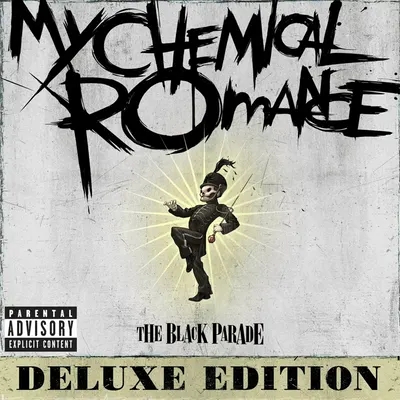
My Chemical Romance — My Chemical Romance Welcomes You to the Black Parade
«My Chemical Romance Welcomes You to the Black Parade» — My Chemical Romance. Читайте текст песни и подпевайте с караоке-подсветкой: строки текста подсвечиваются в такт музыке. Слушайте онлайн бесплатно или скачайте mp3. Длительность записи — 39:28. Жанр — Альтернатива.